Introduction
A well-functioning home depends on the seamless performance of multiple systems working together behind the scenes. From temperature control and electrical flow to water management and interior design, each component plays a vital role in maintaining comfort, safety, and long-term property value. When one system underperforms or fails, it can quickly affect others, leading to inefficiencies, higher costs, and avoidable disruptions.
Homeowners often approach maintenance and upgrades in a reactive way, addressing problems only when they become urgent. While this may seem practical in the short term, it can result in larger repair bills and missed opportunities to improve overall efficiency. A more effective strategy is to take a proactive, integrated approach—one that evaluates the home as a complete system rather than a collection of isolated parts.
This comprehensive guide is designed to help homeowners better understand how to maintain, repair, and upgrade essential home systems. It also provides actionable insights into planning renovations, improving energy efficiency, and coordinating multiple services for better results. Whether you are maintaining an existing property or preparing for major upgrades, understanding how these systems interact will allow you to make smarter, more cost-effective decisions.
By aligning maintenance schedules, prioritizing critical repairs, and planning renovations strategically, homeowners can create a more comfortable, efficient, and valuable living environment.
Taking the time to assess current system performance is an important first step in this process. Many inefficiencies go unnoticed because they develop gradually, such as small leaks, minor airflow restrictions, or outdated components that no longer operate at peak performance. Conducting periodic home evaluations—either independently or with professional support—helps identify these issues early and provides a clearer roadmap for improvements.
In addition, homeowners should consider how lifestyle changes impact system demands. Growing families, remote work setups, and increased reliance on technology can all place additional strain on existing infrastructure. Planning for these changes ensures that upgrades are not only reactive but also forward-thinking, supporting long-term comfort and usability.
Ultimately, a strategic approach to home systems is about more than maintenance—it is about creating a cohesive environment where every component works efficiently together. With the right knowledge and planning, homeowners can reduce stress, improve performance, and make confident decisions that benefit both their daily lives and their property’s future value.
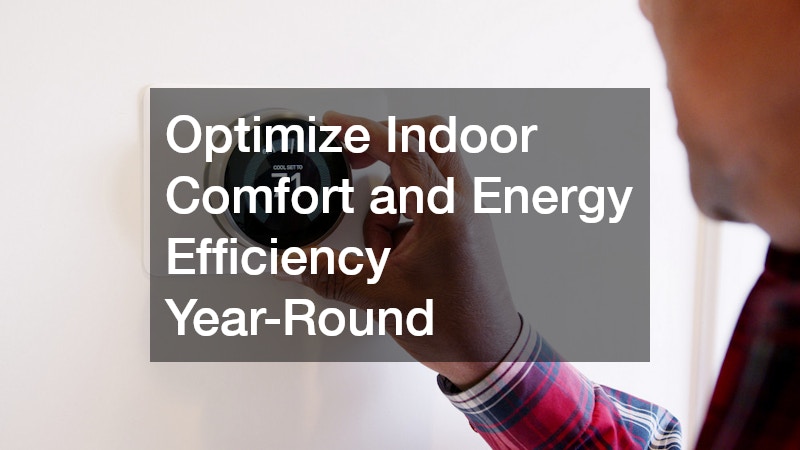
Optimize Indoor Comfort and Energy Efficiency Year-Round
Maintaining a comfortable indoor environment requires a balanced approach to both cooling and heating systems. Many homeowners overlook the importance of routine maintenance until performance noticeably declines, but small inefficiencies can accumulate over time and lead to higher energy bills and reduced system lifespan.
Air conditioning systems are especially vulnerable to reduced efficiency due to clogged filters, refrigerant leaks, or aging components. Regular maintenance, such as replacing filters and cleaning coils, ensures consistent airflow and optimal cooling performance. In warmer climates, even minor inefficiencies can significantly impact comfort and utility costs.
Heating repair becomes critical during colder months when systems are under greater strain. Furnaces, heat pumps, and other heating systems require periodic inspections to ensure safe and efficient operation. Ignoring early warning signs—such as uneven heating, unusual noises, or increased energy usage—can result in costly breakdowns.
To maintain year-round efficiency, homeowners should consider the following:
- Schedule seasonal inspections for both heating and cooling systems
- Replace air filters every 1–3 months depending on usage
- Seal ductwork to prevent energy loss
- Install programmable or smart thermostats for better temperature control
- Upgrade older systems to energy-efficient models when necessary
Combining routine maintenance with strategic upgrades ensures consistent indoor comfort while reducing long-term operating costs.
Ensure Safe and Reliable Electrical Performance
Electrical systems are the backbone of modern homes, powering everything from lighting and appliances to HVAC systems and smart technology. As homes evolve to include more devices and higher energy demands, outdated wiring and panels can quickly become safety hazards.
Hiring a qualified electrician is essential for evaluating and upgrading electrical infrastructure. Warning signs such as flickering lights, frequently tripped breakers, or outdated fuse boxes indicate that a system may no longer meet current demands. Ignoring these issues can increase the risk of electrical fires and system failures.
Modern upgrades often include panel replacements, circuit expansions, and the installation of grounded outlets. These improvements not only enhance safety but also support the integration of new technologies, such as electric vehicle chargers and home automation systems.
Key steps for maintaining electrical safety and efficiency include:
- Conduct regular inspections of wiring and panels
- Upgrade outdated systems to meet current building codes
- Install surge protection to safeguard electronics
- Ensure proper grounding throughout the home
- Avoid overloading circuits with excessive devices
During renovations, it is especially important to coordinate electrical work with other upgrades. Proper planning ensures that wiring is safely integrated into new layouts without requiring costly modifications later.
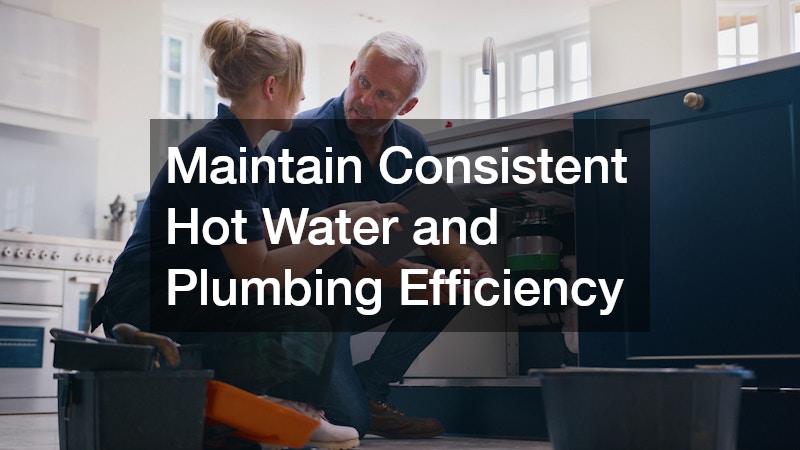
Maintain Consistent Hot Water and Plumbing Efficiency
Reliable access to hot water is essential for daily living, and maintaining plumbing systems ensures consistent performance across the home. Over time, water heaters and plumbing components experience wear that can lead to inefficiencies or failures if not addressed promptly.
Water heater repair is often necessary when issues such as inconsistent temperatures, unusual noises, or reduced water pressure arise. Sediment buildup in tanks is a common problem that reduces efficiency and shortens the lifespan of the unit. Regular flushing and maintenance can help prevent these issues.
A professional plumber plays a crucial role in diagnosing and resolving both minor and major plumbing concerns. From fixing leaks to replacing aging pipes, timely intervention helps prevent water damage and costly repairs. Hidden leaks, in particular, can cause structural damage if left untreated.
Best practices for maintaining plumbing systems include:
- Inspect water heaters annually for signs of wear
- Flush tanks periodically to remove sediment buildup
- Monitor water pressure and address fluctuations
- Repair leaks promptly to prevent structural damage
- Upgrade to energy-efficient water heating systems when needed
By staying proactive with maintenance and repairs, homeowners can ensure reliable performance while minimizing unexpected disruptions.
Prevent Blockages and Improve Drainage Performance
Clogged drains are one of the most common household issues, yet they are often preventable with proper care and maintenance. Over time, debris such as grease, hair, soap residue, and food particles can accumulate in pipes, leading to slow drainage or complete blockages.
Using a drain cleaner can help address minor clogs, but it is important to choose methods that do not damage plumbing systems. Harsh chemical cleaners may provide quick results, but they can corrode pipes over time and create additional problems.
Instead, homeowners should adopt safer and more sustainable practices:
- Use strainers to prevent debris from entering drains
- Avoid pouring grease or oil down kitchen sinks
- Flush drains regularly with hot water and mild cleaning solutions
- Schedule periodic professional drain cleaning for deeper maintenance
- Address slow drainage early to prevent major blockages
Recognizing when a clog indicates a larger issue is also critical. Persistent drainage problems may signal deeper plumbing concerns, such as pipe damage or tree root intrusion, which require professional attention.
Address Moisture Issues Before They Escalate
Moisture problems can quickly lead to mold growth, which poses both health risks and structural concerns. Identifying and addressing these issues early is essential for maintaining a safe and healthy living environment.
Mold remediation involves more than simply removing visible mold—it requires identifying the source of moisture and preventing future growth. Common causes include leaks, poor ventilation, and high humidity levels.
Homeowners should watch for warning signs such as:
- Musty odors in enclosed spaces
- Discoloration on walls or ceilings
- Increased allergy or respiratory symptoms
- Persistent dampness in basements or bathrooms
Effective prevention strategies include:
- Improving ventilation in high-moisture areas
- Using dehumidifiers to control humidity levels
- Repairing leaks promptly
- Sealing windows and doors to prevent water intrusion
- Conducting regular inspections in vulnerable areas
Taking a proactive approach to moisture control helps protect both the home and its occupants from long-term damage.
Plan Functional and Stylish Bathroom Upgrades
Bathroom upgrades offer one of the highest returns on investment when done thoughtfully. A professional bathroom remodeling company can help homeowners design spaces that balance functionality, aesthetics, and durability.
One of the most impactful elements in a bathroom renovation is the custom vanity. Tailored storage solutions improve organization while enhancing the overall design. Materials should be selected for moisture resistance and long-term durability.
Key considerations for bathroom upgrades include:
- Optimizing layout for improved flow and usability
- Selecting high-quality, water-resistant materials
- Incorporating efficient lighting and ventilation
- Designing storage solutions that maximize space
- Choosing fixtures that balance style and functionality
Working with experienced professionals ensures that all elements—from plumbing to electrical systems—are properly integrated into the final design.
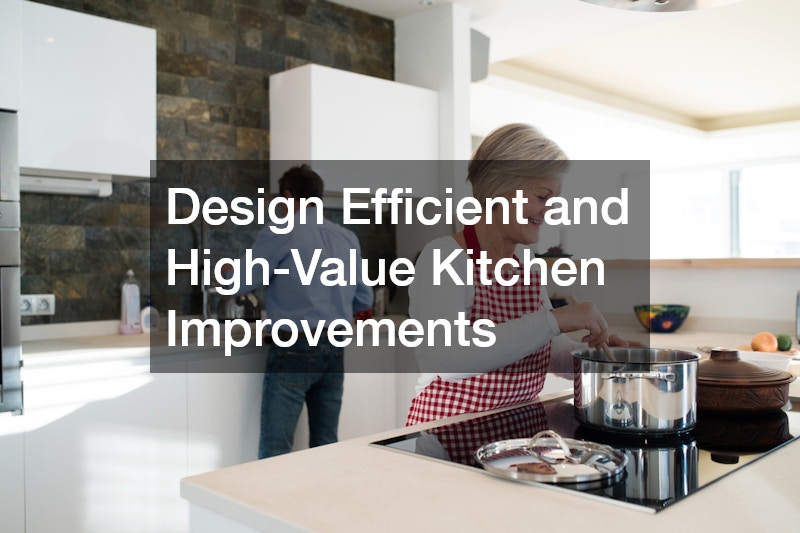
Design Efficient and High-Value Kitchen Improvements
The kitchen is often considered the heart of the home, making it a priority for many renovation projects. A well-planned kitchen remodeling project enhances both daily functionality and overall property value.
Successful kitchen design focuses on workflow efficiency, often referred to as the “kitchen triangle,” which optimizes movement between the sink, stove, and refrigerator. Storage, lighting, and material selection also play critical roles in long-term usability.
Best practices include:
- Choosing durable countertops and cabinetry materials
- Incorporating energy-efficient appliances
- Maximizing storage with smart design solutions
- Ensuring proper lighting for both tasks and ambiance
- Coordinating design elements for a cohesive look
Thoughtful planning ensures that the kitchen remains both practical and visually appealing for years to come.
Coordinate Multiple Systems for Seamless Renovations
Renovations often involve multiple systems that must be carefully coordinated to avoid conflicts and delays. Planning the sequence of work is essential to ensure efficiency and quality results.
Important coordination strategies include:
- Completing structural and system upgrades before cosmetic improvements
- Scheduling work to minimize overlap between contractors
- Ensuring all systems meet local building codes
- Communicating clearly with all service providers
- Allowing flexibility for unexpected challenges
A well-coordinated renovation plan reduces stress and helps ensure that projects are completed on time and within budget.
Improve Home Efficiency Through Preventative Maintenance
Preventative maintenance is one of the most effective ways to extend the lifespan of home systems and reduce long-term costs. Regular inspections and minor repairs can prevent major issues from developing.
A comprehensive maintenance plan should include:
- Seasonal HVAC system checks
- Routine plumbing inspections
- Electrical system evaluations
- Roof and exterior inspections
- Cleaning and servicing key components
By staying proactive, homeowners can maintain optimal performance and avoid costly emergency repairs.
Budgeting and Planning for Long-Term Upgrades
Financial planning is a critical aspect of any home improvement strategy. Understanding costs and prioritizing projects helps homeowners make informed decisions.
Key budgeting tips include:
- Prioritizing urgent repairs before cosmetic upgrades
- Obtaining multiple quotes for major projects
- Setting aside contingency funds for unexpected expenses
- Exploring financing options or incentives
- Planning upgrades in phases to manage costs
A clear financial plan ensures that improvements are both achievable and sustainable.
Enhancing Property Value Through Strategic Improvements
Strategic upgrades can significantly increase property value while improving everyday living. Focusing on high-impact improvements ensures the best return on investment.
Value-boosting strategies include:
- Upgrading kitchens and bathrooms
- Improving energy efficiency
- Enhancing curb appeal
- Maintaining structural integrity
- Keeping systems updated and compliant
By combining functional and aesthetic improvements, homeowners can maximize both enjoyment and resale potential.
Conclusion
Maintaining and improving a home requires more than addressing individual issues as they arise. A comprehensive, well-planned approach ensures that all systems work together efficiently, creating a comfortable and reliable living environment. By prioritizing maintenance, coordinating upgrades, and investing in quality improvements, homeowners can avoid unnecessary expenses and achieve better long-term results.
Consistency is key when it comes to preserving home performance. Regular inspections, timely repairs, and thoughtful upgrades help prevent small issues from turning into major problems. In addition, aligning improvements with long-term goals ensures that every investment contributes to overall property value and usability.
Homeowners who take a proactive approach also benefit from greater flexibility. Whether adapting to changing needs or preparing for future resale, a well-maintained and strategically upgraded home offers lasting advantages. With the right planning and professional support, it is possible to create a space that is efficient, functional, and built to stand the test of time.
Another critical aspect of long-term success is documentation and tracking. Keeping detailed records of repairs, maintenance schedules, and system upgrades allows homeowners to monitor performance trends and make informed decisions about future investments. This documentation can also be valuable when selling a property, as it demonstrates consistent care and responsible ownership.
It is equally important to build relationships with trusted professionals who can provide guidance and reliable service over time. Having access to experienced contractors, inspectors, and service providers ensures that issues are addressed quickly and correctly, reducing the likelihood of recurring problems.
Finally, homeowners should remain adaptable as technologies and best practices evolve. Advances in energy efficiency, smart home integration, and sustainable materials continue to reshape how homes are maintained and improved. Staying informed about these developments allows homeowners to take advantage of new opportunities to enhance comfort, reduce costs, and increase property value.
By combining proactive maintenance, strategic planning, and a willingness to evolve, homeowners can create a well-balanced, modern home that performs efficiently and supports their needs for years to come.