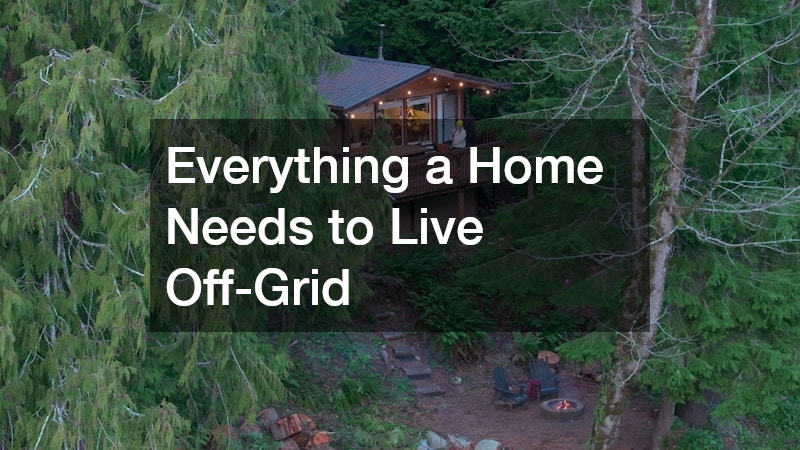
Living off the grid can be an immensely rewarding experience, providing autonomy, sustainability, and a closer connection with nature. However, it requires thorough planning and investment in the right resources. This article explores essential elements required for an effective off-grid lifestyle, offering insights and actionable tips for each component.
Customizing Your Off-Grid Home
One of the fundamental aspects of off-grid living is the design and construction of a custom home. Unlike conventional houses that rely heavily on public utilities and infrastructure, off-grid homes are specifically tailored to function independently while maximizing efficiency and sustainability. Every element of the design, from the layout and building materials to energy systems and water management, should support self-sufficiency and reduce long-term resource consumption.
Custom homes allow homeowners to adapt their living spaces to the unique characteristics of their location. Whether situated in a desert, forest, mountain region, or rural farmland, the home’s design can take advantage of natural conditions to improve comfort and performance. Strategic placement of windows, roof angles optimized for solar panels, and careful site orientation can significantly reduce heating and cooling needs throughout the year.
When building a custom off-grid home, it is important to consult architects, engineers, and builders who specialize in sustainable construction. These professionals can recommend environmentally responsible building materials such as reclaimed wood, insulated concrete forms, rammed earth, or structural insulated panels. Incorporating natural insulation, energy-efficient windows, and passive solar heating techniques can further reduce reliance on external energy sources while creating a comfortable indoor environment.
Additionally, integrating smart home technology can further optimize efficiency. Automated systems can monitor and regulate lighting, temperature, battery storage, water usage, and energy production in real time. Many modern off-grid homeowners use monitoring software to track solar generation and consumption patterns, allowing them to make informed decisions about resource use. By combining thoughtful design, renewable energy systems, and intelligent technology, custom homes can provide a comfortable, resilient, and environmentally responsible living experience.
Finding the Right Land

Securing the right property is one of the most important decisions in establishing a successful off-grid lifestyle. The quality and characteristics of the land directly influence your ability to generate power, access water, grow food, and build a sustainable home. Taking the time to thoroughly evaluate potential properties can prevent costly challenges later on.
Several key factors should be considered when searching for land for sale. Access to natural resources is often at the top of the list. Properties with abundant sunlight are ideal for solar energy systems, while those with access to groundwater, streams, or rainfall collection opportunities can simplify water management. Climate conditions, seasonal weather patterns, and natural hazards such as flooding, wildfires, or severe storms should also be carefully assessed before making a purchase.
Before committing to any property, investigate local zoning regulations, building codes, and water rights. Some areas have restrictions regarding alternative energy systems, composting toilets, rainwater harvesting, or the construction of nontraditional homes. Understanding these regulations in advance helps ensure that your off-grid plans are legally feasible and financially practical.
The physical characteristics of the land are equally important. Soil quality affects gardening, farming, and septic system installation. Topography influences drainage, construction costs, and solar exposure. The surrounding ecosystem can impact wildlife interactions, water availability, and long-term environmental sustainability. Accessibility is another consideration; while remote locations offer privacy and independence, they may also increase transportation costs and limit access to emergency services.
Working with real estate agents who understand off-grid living can provide a significant advantage. These specialists often have experience identifying properties that meet the unique requirements of self-sufficient living. Choosing the right piece of land creates the foundation upon which every other aspect of your off-grid lifestyle will depend.
Supplying Fresh Water
Access to a dependable water source is one of the most critical components of any off-grid property. Water is needed not only for drinking and cooking but also for sanitation, gardening, livestock care, and emergency preparedness. For many off-grid homeowners, a private well serves as the primary source of fresh water, making experienced water well contractors invaluable partners in the planning and development process.
Professional water well contractors evaluate geological conditions, groundwater availability, and drilling requirements before recommending the most effective solution. Their expertise helps ensure that the well is properly located, constructed, and equipped to provide a reliable water supply for years to come. A professionally installed well often offers greater long-term reliability and independence compared to relying solely on surface water sources. Beyond the initial drilling process, regular maintenance is essential for preserving water quality and system performance. Contractors can perform inspections, test water quality, service pumps, and identify potential issues before they become major problems. Preventive maintenance helps protect against contamination, equipment failure, and unexpected interruptions in water access.
In remote areas, seasonal weather conditions can affect water availability and demand. Droughts, freezing temperatures, and changing groundwater levels may influence well performance. To increase resilience, many off-grid homeowners supplement their well systems with rainwater harvesting infrastructure, water storage tanks, and filtration systems. Combining multiple water sources creates redundancy and enhances long-term sustainability.
Enhancing Water Quality
Having access to water is only part of the equation; ensuring that the water is safe and pleasant to use is equally important. Water quality can vary significantly depending on local geology and groundwater conditions. Many off-grid properties encounter issues such as hard water, excess minerals, sediment, or naturally occurring contaminants. Implementing an effective water treatment strategy helps protect both health and infrastructure.
A high-quality water softener can play a key role in managing hard water. Hard water contains elevated levels of minerals such as calcium and magnesium, which can accumulate inside pipes, water heaters, and appliances. Over time, this scale buildup reduces efficiency, increases maintenance requirements, and shortens equipment lifespan. Water softeners remove or neutralize these minerals, helping maintain smooth system operation.
Selecting the appropriate water treatment solution begins with comprehensive water testing. Understanding the specific composition of your water supply allows you to choose a system that addresses your unique needs. Depending on test results, homeowners may use traditional salt-based softeners, salt-free conditioning systems, iron filters, sediment filters, ultraviolet purification systems, or reverse osmosis units. Routine maintenance is necessary to ensure continued effectiveness. Filter replacements, system inspections, and periodic water testing help verify that treatment equipment is performing properly. Monitoring water quality over time also allows homeowners to detect changes in groundwater conditions before they become serious concerns.
Heating Water Efficiently
Reliable hot water is a necessity for comfort, hygiene, and daily household tasks, making water heating an important consideration for any off-grid home. Because energy resources may be limited, selecting an efficient water heating system is essential for balancing convenience with sustainability.
Several water heating options are available for off-grid properties. Solar water heaters are among the most energy-efficient solutions, using sunlight to heat water with minimal operating costs. These systems often consist of solar collectors and insulated storage tanks that capture and retain heat throughout the day. In regions with consistent sunlight, solar water heating can significantly reduce energy consumption while providing dependable performance.
Propane water heaters remain a popular alternative due to their reliability and ability to operate independently of electrical systems. Tankless propane models are particularly attractive because they heat water on demand, reducing standby energy losses. Wood-fired water heaters may also be suitable in areas with abundant firewood resources, offering a renewable heating option for remote locations.
Many homeowners choose hybrid systems that combine multiple energy sources to ensure year-round reliability. For example, a solar water heater can handle most daily needs while a propane backup system provides hot water during cloudy periods or winter months. This layered approach increases resilience and minimizes disruptions.
Regular maintenance is critical for maximizing efficiency and extending equipment lifespan. Inspecting connections, flushing sediment from tanks, checking solar collectors, and monitoring system performance can prevent costly repairs and maintain consistent operation. Investing in an efficient and well-maintained water heating solution not only improves the quality of life but also contributes to the overall sustainability and independence of an off-grid home.
Managing Waste Effectively

Proper septic installation is imperative for waste management in off-grid living. A well-planned septic system allows for the safe treatment and disposal of household waste while minimizing environmental impact. Professional septic installation reduces the risk of leaks and potential contamination of water sources, protecting both your property and the surrounding ecosystem.
Working with experienced contractors for septic installation ensures adherence to health codes and environmental standards. They provide guidance on system selection, considering soil type, household size, water usage, and property layout. An effectively installed septic system is a key component in maintaining a hygienic and sustainable off-grid home.
In conjunction with septic installation, regular septic cleaning is crucial. Periodic cleanings prevent system overload, reduce the likelihood of costly repairs, and extend the operational lifespan of your septic setup. Maintenance schedules based on usage patterns help maintain system efficiency and sanitation, ensuring reliable performance for years to come.
Generating Power Autonomously
The installation of a whole-home generator is integral for assuring an uninterrupted power supply in an off-grid home. These generators can supply electricity to essential appliances and systems when solar or wind energy production is limited. Whole home generators vary in fuel type, including solar, propane, natural gas, or diesel options, allowing homeowners to choose a solution that fits their needs.
Decision-making around generators involves assessing power requirements, investment costs, fuel availability, and the overall environmental footprint. Backup generators often complement renewable energy systems, ensuring reliability during extreme weather, seasonal fluctuations, or unexpected equipment issues. Proper planning around power needs helps prevent emergencies and keeps household operations running smoothly.
The installation process of a whole-home generator should be undertaken by professionals familiar with off-grid systems. Integrating the generator with existing circuits, battery banks, and renewable energy equipment requires specialized expertise. With skilled installation and routine maintenance, power autonomy in off-grid living is fully achievable and highly dependable.
Ensuring Safe Wiring

Electrical systems are the backbone of any off-grid home, making the role of an electrician critical. These professionals ensure safe wiring, proper grounding, and efficient power distribution throughout the property. A knowledgeable electrician can design a system that optimally incorporates renewable energy sources while supporting current and future energy demands.
Choosing an electrician experienced with off-grid setups assures the installation adheres to both local regulations and the unique requirements of independent energy systems. They possess the expertise necessary to navigate battery storage systems, inverters, solar arrays, and backup generators. Reliable electrical installation fortifies safety, efficiency, and functionality in off-grid living.
Continuous monitoring and maintenance performed by an electrician helps prevent power downtime and potential hazards. Frequent inspections can identify worn components, loose connections, or system inefficiencies before they escalate into major problems. A well-maintained electrical setup is essential for the comfort, reliability, and safety of your home.
Adding Wood for Warmth
Including a wood fireplace in your off-grid home can provide both heating and ambiance. Wood is a renewable resource that, when sourced responsibly, fits perfectly with sustainable living practices. A wood fireplace offers dependable warmth that remains available even during power outages or periods of limited energy production.
Sourcing wood locally reduces transportation emissions and supports the local economy. Consider fireplaces or wood stoves with modern, high-efficiency designs that maximize heat output while reducing smoke and particulate emissions. Proper insulation throughout the home can further enhance the effectiveness of a wood-burning heating system.
Regular cleaning of the smoke vent and proper firewood storage are essential for safe operation. Keeping seasoned, dry firewood on hand improves combustion efficiency and minimizes creosote buildup. Routine maintenance also helps ensure the fireplace remains a reliable heating source throughout the colder months.
Incorporating a wood fireplace adds value and functionality to an off-grid home. It serves as a dependable heat source in remote locations and can reduce reliance on other forms of energy during winter. Additionally, the rustic charm and comforting atmosphere of a wood fire create a welcoming retreat that enhances the overall off-grid living experience.
Creating a home that thrives off-grid requires careful planning and investment in key systems. From water supply and waste management to power generation and heating, each component contributes to sustainable and self-reliant living. The journey toward off-grid living is as much about the community and sustainable choices as it is about the technical setup, leading to a rewarding and fulfilling lifestyle.