Modern home design increasingly focuses on blurring the line between interior comfort and exterior enjoyment. Large openings, flexible layouts, and thoughtfully planned outdoor spaces allow homeowners to move easily between inside and outside without sacrificing comfort or functionality. Achieving this balance requires more than choosing attractive finishes—it depends on coordinating systems, materials, and construction decisions from the earliest planning stages. When done well, seamless indoor-outdoor living improves daily comfort, supports entertaining, and adds long-term value to the home.
Below is an in-depth, practical guide to planning and executing a home design that truly connects indoor and outdoor spaces, with actionable tips at every stage of the process.
Planning Comfort Systems That Support Open-Concept Living
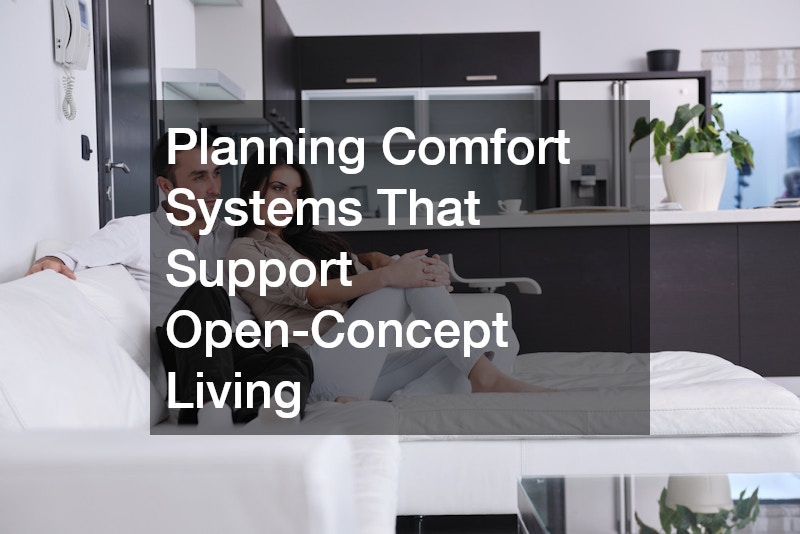
Open layouts and expansive doors can dramatically improve visual flow, but they also introduce challenges related to temperature control and air movement. When large openings connect interior spaces to the outdoors, conditioned air can escape more easily, and unconditioned air can enter, creating uneven temperatures and uncomfortable drafts. Without careful planning, some areas of the home may feel too warm, too cool, or difficult to maintain at a consistent comfort level, especially during seasonal extremes.
Working with an HVAC contractor early in the design process helps align comfort goals with architectural choices before walls, ceilings, and mechanical pathways are finalized. High ceilings, wide door openings, and multi-use transitional areas all influence how air circulates through the home. If these features are added without considering system capacity and airflow patterns, the result can be overworked equipment, increased energy consumption, and rooms that never quite feel comfortable. Early collaboration allows the system to be sized and configured to support the home’s layout rather than struggle against it.
Key considerations include:
- Zoned temperature control to prevent one area from overheating or cooling too quickly, especially when doors are opened to exterior spaces for extended periods
- Strategic vent placement near large doors or transitional zones to offset temperature loss and maintain balanced airflow throughout open areas
- Humidity management to prevent condensation when outdoor air enters the home, which can protect finishes, furnishings, and indoor air quality
- Energy-efficient glazing to reduce heat transfer through large openings while still allowing natural light and outdoor views
Homeowners should also think about how frequently and for how long outdoor spaces will be used throughout the year. A wall of doors that opens daily for entertaining or relaxation places different demands on comfort systems than an opening used occasionally during mild weather. In homes where outdoor access is a regular part of daily life, additional capacity, zoning flexibility, or supplemental solutions may be necessary to maintain consistent comfort. Thoughtful system design reduces strain on equipment, limits unnecessary energy use, and helps indoor-outdoor transitions feel natural rather than disruptive.
Electrical Planning for Outdoor Extensions and Entertaining
Electrical systems play a major role in how usable and flexible outdoor living spaces feel. Lighting, outlets, and controls must support both everyday use and special occasions while remaining safe and code-compliant.
Consulting local electricians during the design phase allows homeowners to plan for current needs and future flexibility without relying on extension cords or temporary solutions later.
Actionable planning tips include:
- Layered lighting designs that combine task, ambient, and accent lighting
- Weather-rated outlets placed conveniently for appliances and entertainment equipment
- Switch and control placement that allows indoor and outdoor lighting to work together
- Low-voltage options for pathways and landscape accents
Well-planned electrical systems make outdoor areas usable after sunset, improve safety, and allow spaces to adapt as lifestyles change. Proper planning also avoids costly retrofits once surfaces and finishes are complete.
Plumbing Considerations for Outdoor Living Features
Water access and drainage are often overlooked when designing indoor-outdoor spaces, yet they are essential for functionality and long-term durability. Whether adding an outdoor sink, kitchen, or water feature, plumbing decisions should be integrated into the overall layout.
Plumbing contractors can help homeowners evaluate feasibility and prevent common issues related to leaks, freezing, and improper drainage.
Important considerations include:
- Drainage slopes that move water away from interior thresholds
- Freeze protection strategies for seasonal climates
- Backflow prevention for outdoor water connections
- Access panels for maintenance without disrupting finished surfaces
By planning plumbing systems alongside architectural elements, homeowners avoid water intrusion, reduce maintenance headaches, and create outdoor spaces that function as naturally as interior rooms.
Designing With Pest Prevention in Mind From the Start
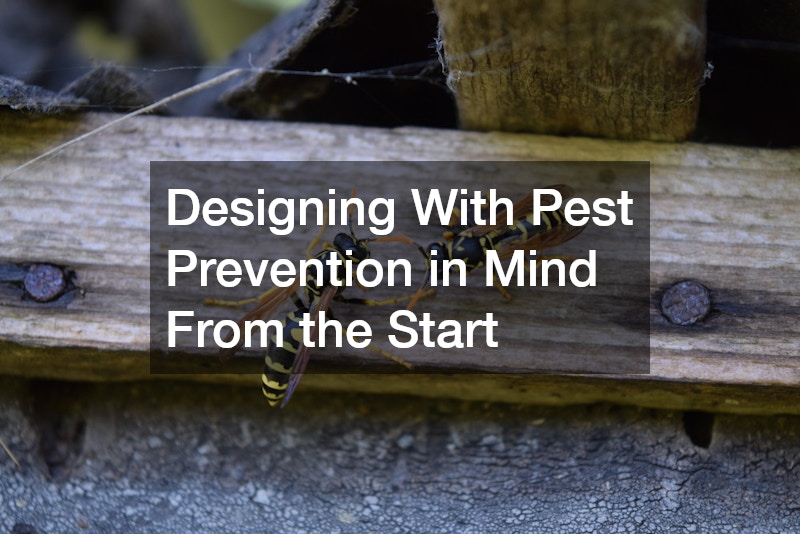
As indoor and outdoor spaces become more connected, the likelihood of pests finding their way into the home increases, especially in transitional areas like patios, screened porches, and doorways. Even small gaps or poorly sealed penetrations can become entry points for insects, rodents, or other unwanted visitors. Beyond simple entry points, the choice of materials, landscaping placement, and water management all play critical roles in determining how susceptible a home is to infestations over time.
A pest control company can be an invaluable partner during the design phase, offering insights that go beyond typical treatments. By evaluating plans before construction or renovations begin, they can pinpoint areas that are prone to pest intrusion and suggest preventative measures that integrate seamlessly with the overall design. Their guidance can influence material choices, placement of utilities, and landscape layouts to create an environment that is naturally less inviting to pests.
Practical design strategies include:
- Seal gaps around doors, vents, and utility penetrations to prevent insects and small rodents from entering. Even minor cracks around piping, electrical conduits, or attic vents can compromise the home’s defenses.
- Select materials that resist nesting and moisture retention, such as non-porous decking, treated siding, or insect-resistant finishes. Materials that trap moisture or provide shelter for pests create long-term maintenance challenges.
- Maintain clear zones between living spaces and dense vegetation to reduce the chance that pests migrate from landscaping into the home. Strategically placed plantings and open buffer zones can help limit access points while still supporting aesthetic goals.
- Integrate proper drainage to prevent standing water near foundations, as stagnant water attracts mosquitoes, termites, and other pests. Grading, gutter covers, and well-placed landscaping can channel water away and reduce hidden breeding areas.
By addressing pest prevention from the earliest design stages, homeowners can create spaces that are both comfortable and low-maintenance. These measures reduce the need for ongoing reactive treatments, minimize damage to structural and finish materials, and help maintain a healthier indoor environment for everyone in the home. A proactive approach not only safeguards the property but also ensures that indoor-outdoor connections remain enjoyable rather than problematic.
Creating Stable Foundations for Indoor-Outdoor Flow
Smooth physical transitions are just as important as visual ones. Uneven surfaces, poor drainage, or shifting materials can disrupt movement between spaces and create long-term maintenance issues.
Concrete contractors play a key role in creating durable, level surfaces that support seamless movement between interior and exterior areas.
Key planning tips include:
- Consistent elevation changes to reduce trip hazards
- Surface finishes that provide traction without visual interruption
- Expansion joints that accommodate temperature changes
- Proper base preparation to prevent settling and cracking
Well-executed foundational work improves safety, extends the lifespan of outdoor features, and preserves the visual continuity homeowners expect from modern design.
Coordinating Interior and Exterior Renovation Timelines
One of the most common mistakes in indoor-outdoor projects is treating interior and exterior renovations as separate efforts. When timelines are not aligned, homeowners may face duplicated work, delays, or compromised results.
Local remodeling contractors can help coordinate sequencing so structural changes, finishes, and system installations support one another.
Coordination strategies include:
- Completing structural modifications first before cosmetic updates
- Aligning material deliveries to avoid exposure damage
- Scheduling inspections strategically to prevent rework
- Maintaining clear communication across all phases of construction
A unified renovation timeline reduces stress, controls costs, and helps ensure that the final result feels cohesive rather than pieced together.
Selecting Landscaping Materials That Complement Interior Design

Landscaping is more than an exterior afterthought—it is a deliberate extension of the home’s interior design that can reinforce a sense of cohesion throughout the property. The choice of residential landscaping material plays a central role in creating a seamless visual and functional connection between indoor and outdoor spaces. Whether it’s the stone used for a patio, the decking for a walkway, or the plantings framing an outdoor seating area, every element should complement the home’s finishes, colors, and textures while remaining suited to local environmental conditions.
Choosing the right materials involves balancing beauty with practicality. Materials should not only look appealing in combination with indoor elements but also withstand foot traffic, exposure to weather, and regular maintenance needs. In addition, thoughtful landscaping can guide how spaces are used, creating natural pathways, gathering areas, and privacy buffers that enhance the functionality of outdoor spaces.
Homeowners should consider:
- Color palettes that echo interior finishes, such as choosing stone, pavers, or wood tones that harmonize with flooring, cabinetry, or wall colors. Consistency in color can create a visual flow that makes outdoor areas feel like a natural continuation of interior rooms.
- Surface textures that transition naturally from flooring to patios, providing both tactile and visual continuity. Smooth indoor floors might blend into finely textured stone, while rougher materials can be used in high-traffic outdoor areas without feeling disjointed.
- Drainage characteristics to protect adjacent living spaces, ensuring that water flows away from foundations, patios, and transitional zones. Choosing materials that facilitate proper runoff, such as permeable pavers or raised planters, helps prevent erosion, water damage, and the accumulation of standing water.
- Maintenance requirements that align with lifestyle preferences, so that homeowners can enjoy their outdoor spaces without excessive upkeep. Durable materials that resist weathering, staining, and plant overgrowth reduce long-term effort while maintaining a polished appearance.
Thoughtful landscaping choices enhance more than just aesthetics; they provide functional benefits such as privacy screening, shade, and clearly defined living areas. By selecting materials that harmonize with interior finishes and designing with long-term usability in mind, homeowners strengthen the connection between indoor and outdoor environments, making the entire property feel cohesive, inviting, and practical for everyday use.
Designing Transitional Spaces That Function Year-Round
Transitional spaces provide a buffer between fully enclosed interiors and open outdoor areas. These zones allow homeowners to enjoy fresh air and natural light while remaining protected from insects and harsh weather.
Screened porches are a popular option because they balance openness with comfort.
Design considerations include:
- Orientation for prevailing breezes to improve comfort
- Durable materials that withstand exposure and frequent use
- Furniture layouts that support dining, lounging, or entertaining
- Lighting and power access to extend usability into evenings
Well-designed transitional spaces increase the usable square footage of the home and encourage more frequent outdoor enjoyment across seasons.
Protecting the Home Envelope During Design Expansion
Any expansion that connects indoor and outdoor areas affects the home’s protective shell. Rooflines, drainage systems, and water management strategies must work together to prevent long-term damage.
Local roof replacement contractors can assess how new openings or additions interact with existing roofing systems, while gutter covers help manage runoff efficiently.
Important protection strategies include:
- Managing roof intersections where additions meet existing structures
- Directing water away from doors and foundations
- Reducing debris buildup that can cause overflow or leaks
- Inspecting flashing and seals around new penetrations
Protecting the home envelope preserves structural integrity, prevents moisture-related issues, and safeguards the investment made in expanded living spaces.
Seamless indoor-outdoor living is the result of intentional planning, thoughtful coordination, and attention to detail across every system and surface. Achieving this level of cohesion requires homeowners to think beyond aesthetics and consider how each element—from comfort systems to material choices—interacts with one another. By integrating HVAC systems, electrical layouts, plumbing, pest prevention measures, and structural elements into the overall design, spaces function efficiently and remain comfortable under a variety of conditions. Thoughtful material selection, including landscaping choices, surface finishes, and drainage solutions, further reinforces the connection between indoor and outdoor areas while enhancing durability and usability.
Rather than treating outdoor areas as add-ons, integrating them into the core design process leads to homes that support modern lifestyles while standing up to long-term use and environmental demands. Thoughtful planning from the earliest stages ensures that each system—whether structural, mechanical, or aesthetic—works in harmony, reducing costly adjustments or repairs in the future. Ultimately, this comprehensive approach creates living environments that are not only visually appealing but also practical, resilient, and tailored to the way people actually live, turning every part of the property into a purposeful, inviting, and enjoyable space.